

Entropy Energy Network
For the school district

A cleaner, steadier source of building heat — with the budget protected.

Schools are large, predictable users of heat over a long winter. That makes them an ideal place to put recovered warmth to work. Here's how it would tie in, what the district would and wouldn't take on, and how the arrangement keeps the operating budget safe.

How it connects

It works with the heating system you already have.

Recovered heat is delivered as hot water that ties into the building's existing hydronic loop. The school's controls remain in charge: the building draws on the recovered heat when it's available and falls back to the existing system whenever it isn't.

The connection is made with standard, code-compliant plumbing and is inspected by the town's officials before it can operate. Nothing about classroom comfort or reliability is left to chance.

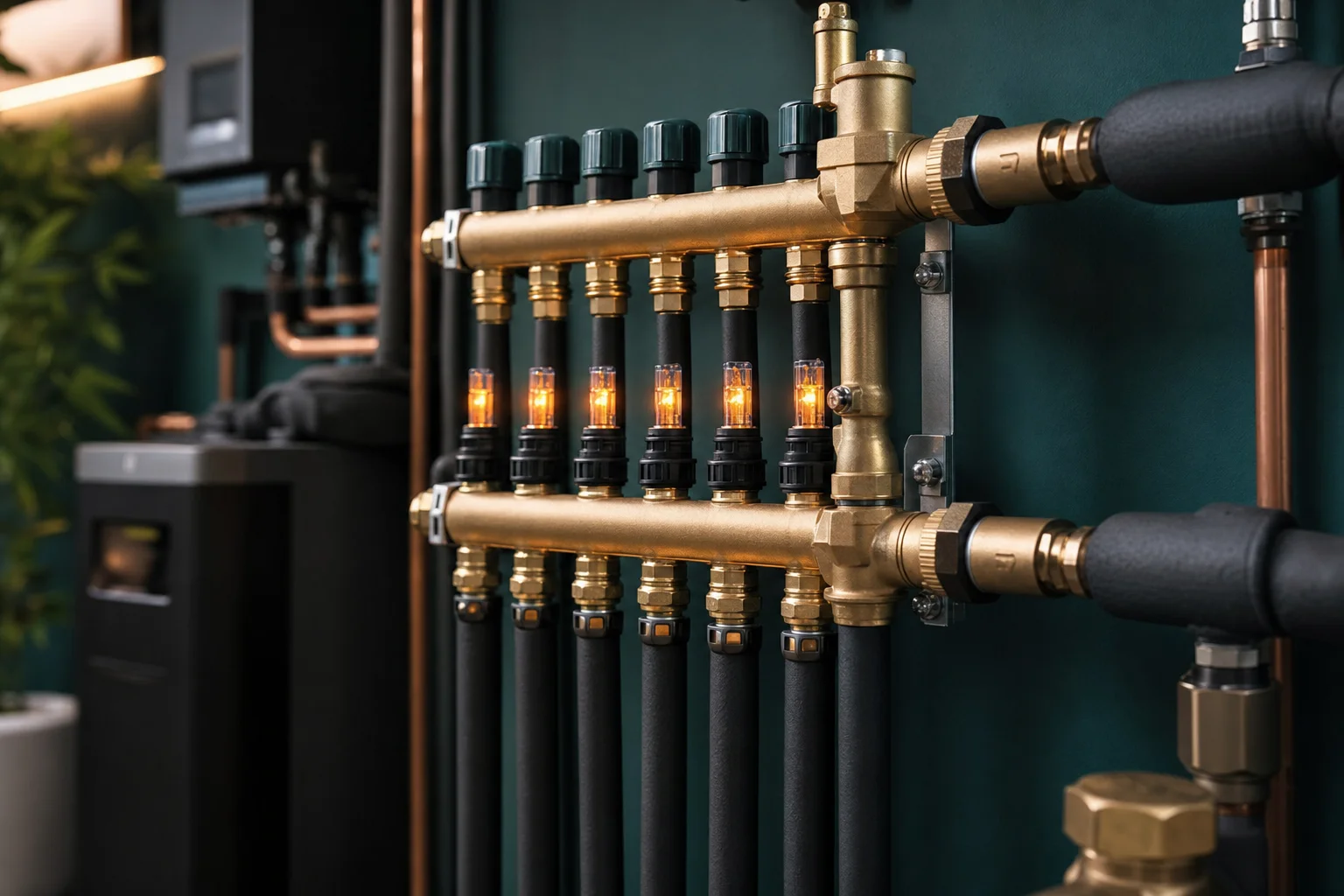
Insulated hydronic piping and a heating manifold of the kind used to tie recovered heat into a building
Responsibilities

A clean line between what's ours and what's yours.

The project handles

  • Owning, installing, and maintaining the heat-recovery equipment and the tie-in.
  • Permitting, inspections, insurance, and code compliance for that equipment.
  • Delivering heat to agreed performance terms and reporting on it.
  • Safe removal and full restoration if the arrangement ever ends.

The district keeps

  • Full control of its buildings and its existing heating system.
  • Its current backup heat, unchanged, as the always-available default.
  • Approval rights over the connection through the School Committee.
  • A clean exit: no obligation to keep the arrangement if it stops serving students.
Protecting the budget

Designed to lower heating cost, never to add risk.

Pay for delivered heat

The district pays for useful heat actually delivered, at a rate set below its avoided fuel cost — so recovered heat is structured to cost less than the fuel it displaces.

No capital outlay

The heat-recovery equipment is funded and owned by the project, not the district, keeping it off the school capital plan.

Reliability first

Because the existing system stays in place as backup, a clean energy upgrade never comes at the expense of a warm classroom.

Specific rates, savings, and terms are set in the heat-purchase agreement and confirmed against final engineering and the district's actual fuel costs.

A learning opportunity, too. A working heat-recovery system on a school campus is a real-world example of energy, sustainability, and engineering that can connect to classroom learning — with data the district is free to use.

Let's brief the facilities team and the committee.

We can walk through the tie-in, the responsibilities, and the budget protections with the people who'd live with the system every day.